Posted on 7/25/2025
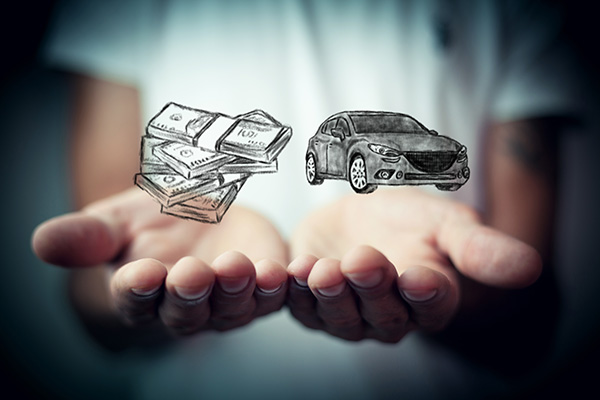
Buying a car is a big decision that can stir up a lot of emotions. Whether it’s the excitement of imagining your dream car or the practical considerations of daily commuting, choosing a vehicle often involves a balance between your heart and your head. While it's natural to feel drawn to a stylish sports car or a luxurious SUV, making the right choice means considering both your needs and wants. Understanding how to balance these two sides can help you make a purchase you won’t regret. Following Your Heart When you buy a car with your heart, emotions take the lead. You might be attracted to a sleek design, a powerful engine, or a brand you’ve always admired. Maybe you’ve always dreamed of driving a convertible down a scenic highway or owning a sporty coupe that turns heads at every intersection. Emotional purchases can feel thrilling and rewarding in the moment. Driving a car you truly love can make everyday trips more enjoyab ... read more
Posted on 6/27/2025
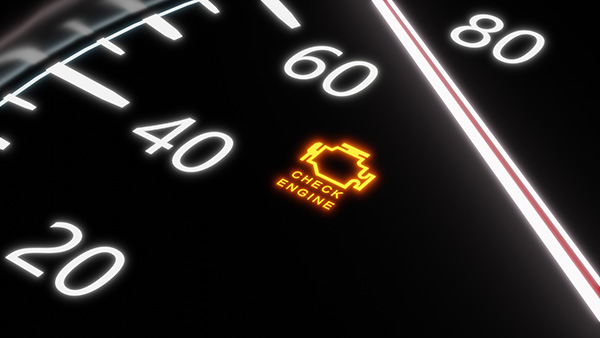
When you think of the check engine light, your first thought might be a gasoline-powered car with engine trouble. But what about electric vehicles? These cars don't have traditional engines, yet they still have check engine lights. So, what does it mean when this warning appears in an EV? Understanding the purpose of this light in electric vehicles is crucial for preventing minor issues from escalating into major problems. While the systems in an EV differ from those in gas-powered cars, modern EVs are still complex machines packed with sensors, software, and electric drivetrains that need regular oversight. Why Do EVs Have a Check Engine Light Even though EVs don’t use internal combustion engines, they have electronic control units (ECUs), battery management systems, and drive motors that can trigger fault codes. The check engine light is a general warning indicator designed to alert you that one or more of these systems aren't operating a ... read more
Posted on 5/30/2025
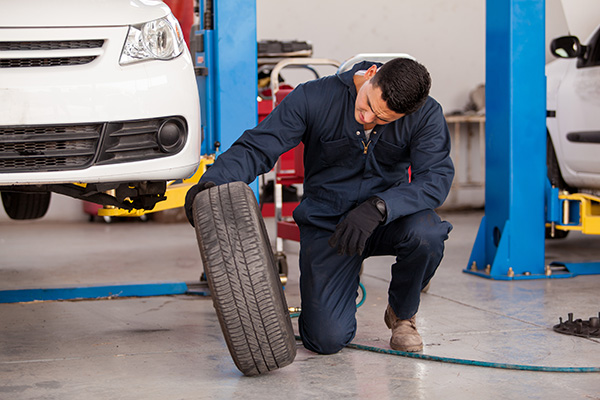
You might not think about your tires until one goes flat or the tread starts to look worn—but regular tire rotation plays a big part in how long they last and how well your car drives. It’s one of those simple maintenance steps that makes a real difference, even if it doesn’t always get the attention it deserves. If you’ve ever noticed one tire wearing out faster than the others or your vehicle pulling slightly to one side, uneven tire wear might be the reason. Knowing when and why to rotate your tires can help you extend their lifespan, improve safety, and even save money on fuel. What Does Tire Rotation Actually Mean Tire rotation involves moving your tires from one position on the vehicle to another—typically switching the front and rear tires, and sometimes crossing them from side to side depending on the vehicle’s drivetrain. The goal is to ensure that all four tires wear evenly over time. Why does this matter? B ... read more
Posted on 4/25/2025
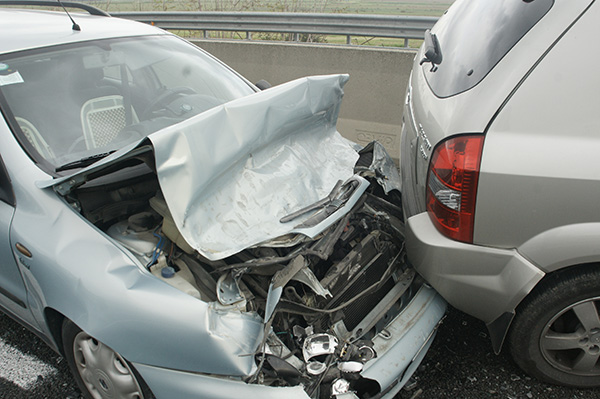
Heavy rain doesn’t just make the drive more uncomfortable—it dramatically changes how your vehicle handles. One of the most common types of accidents during rainy weather is the rear-end collision, and there’s a reason why they spike every time the skies open up. Reduced traction, longer stopping distances, poor visibility, and slower reaction times all play a part in turning wet roads into crash zones. Even experienced drivers aren’t immune. When it comes to driving in the rain, confidence can sometimes work against you. Understanding why these collisions happen—and how to avoid them—can help keep your vehicle and everyone inside it safer during the next downpour. Rain Reduces Traction When your tires hit a wet surface, they don’t grip the pavement as well as they do on dry roads. This is especially true if the road has oil buildup, worn asphalt, or pooling water. As a result, your braking distance increases, an ... read more
Posted on 4/1/2025
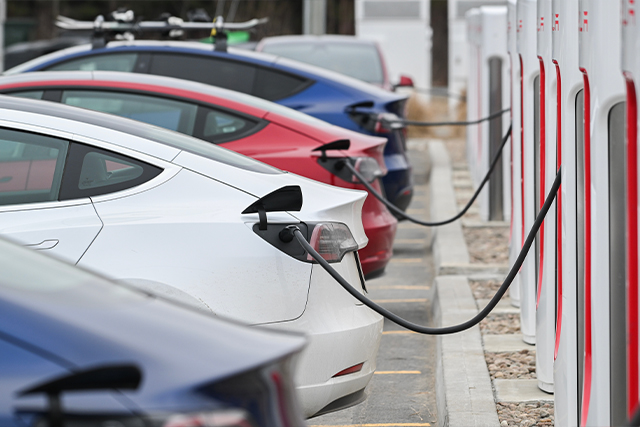
You will be able to take an electric car for a spin—no strings attached—next month in Kelowna. The non-profit group that hopes to help Canada achieve its goal of 100% electric vehicle sales by 2035 or earlier will be spending much of April in Kelowna. Plug’n Drive and NexDrive will bring the EVs are for Everyone Cross-Canada Tour to A-Plus Automotive, which is located at 2165 Rutland Ct., from April 3-20, and to Highway 33 Napa Autopro, which can be found at 160 Hwy 33 E, from April 14-16. The tour’s mission is to educate Canadians about electric vehicles using a sales-free, no-pressure model. “Plug’n Drive is delighted to have the support of NexDrive on this journey toward Canada’s net-zero future,” Plug’n Drive president and CEO Cara Clairman said in a press release. “NexDrive recognizes the power of connecting Canadians with hands-on experiences like test drives and EV education as a way to accelerate the transition to ... read more