Posted on 5/29/2026
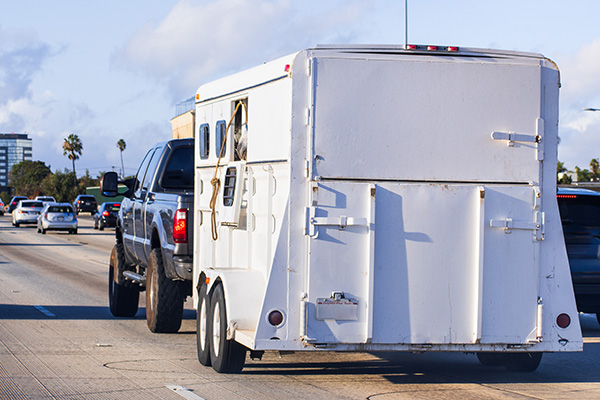
Towing a trailer adds more responsibility than many drivers expect. The trailer may look simple compared to the vehicle pulling it, but it has tires, lights, bearings, brakes, wiring, and connection points that all need attention. When one of those parts is neglected, the problem can show up fast on the road. Good trailer safety starts before the trip begins. Whether you tow a utility trailer, camper, boat trailer, or work trailer, a little preparation can prevent dangerous handling problems, breakdowns, and roadside delays. Trailer Tires Need More Than a Quick Look Trailer tires can age out before the tread looks worn. Many trailers sit for long periods, which can lead to sidewall cracking, flat spots, and hidden weakness. A tire that looks acceptable in the driveway can still fail at highway speeds. Check tire pressure before every trip, not just when the ... read more
Posted on 4/30/2026
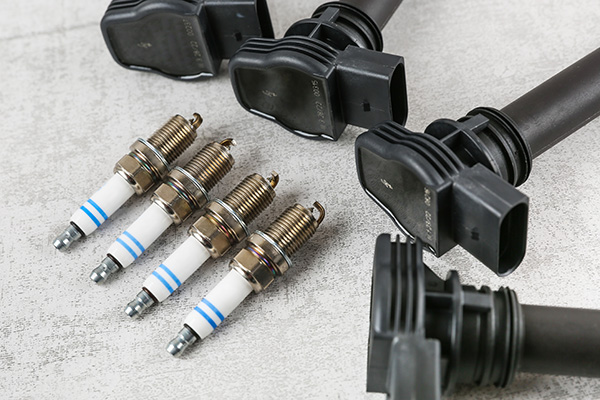
Engine trouble gets confusing when the car still runs well enough to leave some doubt. It may shake a little at idle. It may stumble when you pull away from a stop. The check engine light may come on, then the car settles down just enough to make you wonder if it was even a real problem. A bad fuel injector and a bad spark plug can create that kind of confusion. The symptoms overlap just enough that many drivers guess wrong. Why The Symptoms Can Feel So Similar Fuel injectors and spark plugs serve different roles, but both play a direct role in combustion. The injector delivers fuel into the engine. The spark plug helps ignite the air-fuel mixture. If either one stops doing its job properly, that cylinder will not contribute the way it should. That is why the engine can feel rough in both cases. Misfires, hesitation, poor acceleration, rough idle, and lower fuel economy can show up with either problem. From the driver’s seat, the car just feels of ... read more
Posted on 3/27/2026
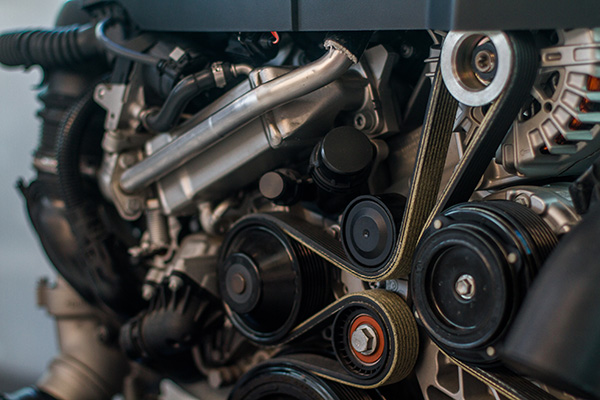
A startup squeal is one of those sounds that can make you second-guess everything. It might last half a second, it might hang around for a few seconds, and it can be gone by the time you pop the hood. That makes it tempting to ignore until it gets louder or becomes more frequent. The better move is to treat it like a clue and gather a little detail while it’s still easy to reproduce. The pattern is what usually points you in the right direction. Pinpoint The Sound Before You Chase Parts Startup noises are much easier to solve when you can describe when they happen and how long they last. A squeal that appears only on cold starts suggests something different than a squeal that happens every time you restart after a short errand. Even the difference between one second and five seconds matters. Before you schedule anything, jot down a few details like these: Does it happen only on the first start of the day, or on every start? Does it change when i ... read more
Posted on 2/27/2026
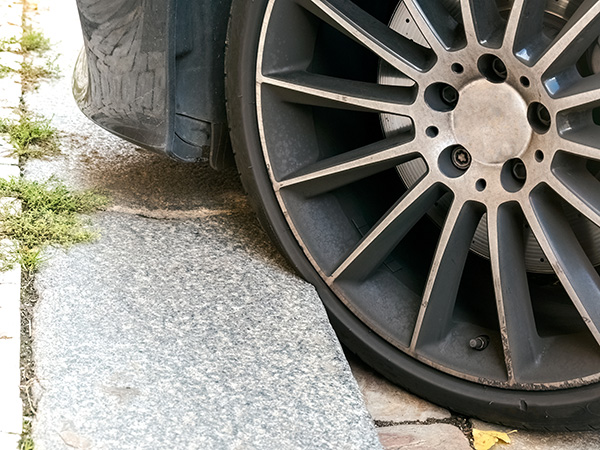
A tire bubble can show up after an impact you barely remember. You hit a pothole or clip a curb, then the car drives fine. Later you notice a bulge on the sidewall that looks wrong. That bulge is a warning sign you should take seriously. What A Tire Bubble Means A bubble forms when the internal cords in the sidewall get damaged. The outer rubber can stay intact, but the structure underneath is weakened, so air pressure pushes outward. That is why the bump looks smooth instead of torn. Plugs and patches are not the answer here. They work in the tread area when a puncture is small and contained. Sidewall damage is structural, so replacement is the safe fix. Why Sidewall Damage Is A Big Deal Sidewalls flex constantly in turns and over bumps. When the cords are compromised, that flexing can make the bubble grow or fail with little notice. Heat, speed, and heavy loads all increase the stress. Many failures happen at higher spe ... read more
Posted on 1/30/2026
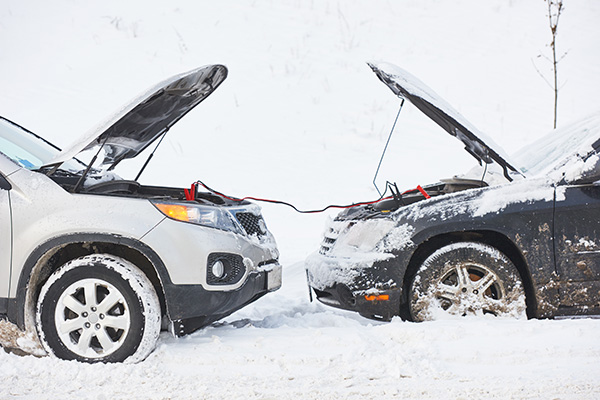
Cold weather has a knack for exposing a battery that was already living on borrowed time. One day the car starts normally, the next morning it cranks slowly or barely clicks. You boost it, it runs, and you think you’re back to normal. Then the same thing happens again. That pattern usually means the battery is weak, the charging system is not keeping up, or the car is losing power while it sits. Winter just makes the gap impossible to ignore. Why Batteries Struggle When Temperatures Drop A battery’s chemical reaction slows down in the cold. That means it produces less power at the exact time the engine needs more effort to crank. Cold oil is thicker, internal friction is higher, and the starter has to work harder. Add headlights, rear defrost, heater fan, and seat heaters, and you’re asking a lot from a battery that may already be tired. A battery can test okay in mild weather and still fail in winter because there’s no reserve l ... read more