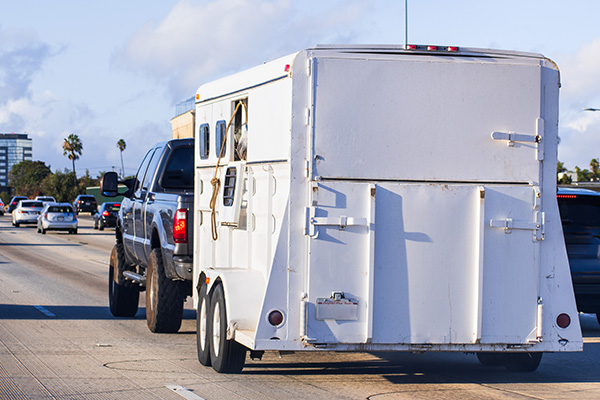
Towing a trailer adds more responsibility than many drivers expect. The trailer may look simple compared to the vehicle pulling it, but it has tires, lights, bearings, brakes, wiring, and connection points that all need attention. When one of those parts is neglected, the problem can show up fast on the road.
Good trailer safety starts before the trip begins. Whether you tow a utility trailer, camper, boat trailer, or work trailer, a little preparation can prevent dangerous handling problems, breakdowns, and roadside delays.
Trailer Tires Need More Than a Quick Look
Trailer tires can age out before the tread looks worn. Many trailers sit for long periods, which can lead to sidewall cracking, flat spots, and hidden weakness. A tire that looks acceptable in the driveway can still fail at highway speeds.
Check tire pressure before every trip, not just when the trailer looks low. Trailer tires need the correct pressure to safely carry weight. Underinflation creates heat, and heat is one of the leading causes of trailer tire failure. Tread depth, sidewall condition, valve stems, and tire age should all be checked before a long haul.
Wheel Bearings Can Cause Serious Roadside Trouble
Wheel bearings allow the trailer wheels to rotate with less friction. When bearings are dry, worn, or contaminated, they can overheat and fail. A failed bearing can damage the hub, lock up a wheel, or even leave the trailer stuck on the roadside.
Bearing service is easy to forget because there is no dashboard warning light on most trailers. Listen for grinding, check for heat near the hub after driving, and watch for looseness in the wheel. Greasing or servicing bearings as part of regular maintenance helps protect the trailer and keeps the wheels turning safely.
Trailer Brakes Must Be Ready Before the Load Is Attached
If your trailer has brakes, they need to be checked before towing heavy loads. Trailer brakes reduce strain on the tow vehicle and help keep stopping distances under control. When they are not working properly, the vehicle has to do more work than it should.
Brake shoes, magnets, wiring, and brake controllers can all affect performance. If the trailer pushes the vehicle during stops, pulls unevenly, or feels unstable while slowing down, the brake system needs attention. Waiting until the trailer is fully loaded is the wrong time to find out the brakes are weak.
Lights and Wiring Are Basic, But Critical
Trailer lights are small details that carry big safety value. Brake lights, turn signals, running lights, and hazard lights all help other drivers understand what you are doing. If those lights fail, the trailer becomes harder to see and harder to predict.
Wiring problems are common because trailer connectors are exposed to weather, dirt, corrosion, and repeated plugging and unplugging. Before leaving, connect the trailer and test every light. Gently wiggle the connector to see if the lights flicker. If they do, the wiring or plug may need repair before it causes trouble on the road.
The Hitch and Coupler Need a Careful Check
The hitch connection is what keeps the trailer attached to the tow vehicle, so it deserves more than a quick latch-and-go. Make sure the coupler is fully seated on the ball and that the latch is secured. Safety chains should be crossed under the tongue and attached to the proper points, not twisted or dragging.
The hitch ball, receiver, pin, and chains should all be rated for the trailer’s weight. Weight ratings are easy to overlook, especially when borrowing or switching trailers. A safe setup depends on the right parts being used together, not just whether the trailer appears attached.
Load Balance Affects How the Trailer Handles
A poorly loaded trailer can become unstable even if every part is in good condition. Too much weight at the rear can cause sway. Too much weight at the front can overload the tongue and affect steering or braking. Heavy items should be placed low and secured so they cannot shift.
Trailer sway is not something to fight with confidence alone. It can become dangerous quickly, especially at higher speeds or in crosswinds. Balancing the load correctly before driving is one of the simplest ways to improve towing control and reduce stress on tires, suspension, and brakes.
Get Trailer Maintenance In Kelowna, BC, With A Plus Automotive
If you tow for work, travel, or weekend projects, A Plus Automotive in Kelowna, BC, can check your trailer’s tires, bearings, brakes, lights, wiring, hitch connection, and overall condition before your next trip.
Call today to schedule your trailer service and get the peace of mind that comes from knowing your setup is ready for the road before you hook up and haul.