A startup squeal is one of those sounds that can make you second-guess everything. It might last half a second, it might hang around for a few seconds, and it can be gone by the time you pop the hood. That makes it tempting to ignore until it gets louder or becomes more frequent. The better move is to treat it like a clue and gather a little detail while it’s still easy to reproduce.
The pattern is what usually points you in the right direction.
Pinpoint The Sound Before You Chase Parts
Startup noises are much easier to solve when you can describe when they happen and how long they last. A squeal that appears only on cold starts suggests something different than a squeal that happens every time you restart after a short errand. Even the difference between one second and five seconds matters.
Before you schedule anything, jot down a few details like these:
- Does it happen only on the first start of the day, or on every start?
- Does it change when it’s wet outside or after a car wash?
- Does it stop the moment the engine catches, or linger a few seconds?
- Does it change if you turn the A/C on or off right after starting?
Those notes keep you from replacing parts based on a hunch. They also help narrow down whether the sound is coming from a belt drive, a pulley, or something else that only shows itself briefly. If you can safely record a quick audio clip, that can help too.
Belt Squeal Vs Starter Squeal
A belt squeal is usually a high-pitched, rubbery sound that can stretch for a second or two as the engine speed changes. It often reacts to load changes, like when the alternator starts charging hard or when the A/C clutch kicks in. If it gets louder when you turn accessories on, that points even more toward the belt drive.
A starter-related squeal tends to sound more metallic and sharp, and it usually happens right as the engine fires. It can be brief, almost like a scrape, and then it’s gone. If the sound is more of a quick screech and it happens only at the exact moment the engine catches, the starter and its engagement can be part of the story.
Cold Weather And Moisture Effects
Moisture can make a perfectly acceptable belt slip just enough to squeal for a moment. Condensation, light rain, or overnight dampness changes how the belt grips the pulleys during that first spin-up. That’s why some vehicles only squeal on wet mornings, then behave all day.
Cold conditions can also make rubber stiffer, temporarily reducing grip. If the squeal happens more in winter and less in warmer months, it may suggest a belt that’s borderline or a tensioner that’s not holding as firmly as it used to. The sound may fade as the belt warms and starts gripping better.
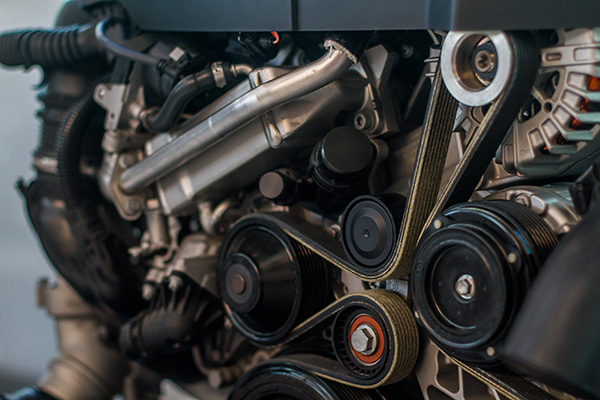
Serpentine Belt And Tensioner Problems
Belts wear in ways that are not always obvious at a glance. A belt can glaze, harden, or crack between ribs and still look passable from above. Once that happens, it may slip during the highest-load moment, which is often right at startup when everything is waking up at once.
The tensioner matters just as much as the belt. A weak spring or a worn tensioner pivot can let the belt flutter or lose tension briefly, which is enough to squeal. This is one of those areas where regular maintenance helps because catching a tired belt and tensioner early can prevent a roadside problem later.
Pulleys, Bearings, And Accessories That Chirp
Sometimes the squeal is not the belt itself, but a pulley or accessory bearing starting to complain. Idler pulleys and tensioner pulleys can develop dry bearings, and the first sign is often a chirp or squeal right after startup. As the bearing warms, the sound may fade, which can make it feel random.
Accessories can do it too. Alternators, A/C compressors, and power steering pumps can add load and amplify a weak belt or worn bearing. If the noise changes when you turn the A/C on, or if it’s worse after the car has sat for a few days, that detail helps narrow whether the issue is load-related or bearing-related.
When The Noise Means Stop Driving
Most startup squeals are fixable without drama, but a few signs should push you to stop driving and get it checked sooner. A belt-driven problem can quickly turn into a no-charge situation, overheating, or loss of power steering assist on some vehicles. If anything feels different while the squeal is happening, take that seriously.
These are good reasons to pause and avoid a longer drive:
- The squeal is loud and continuous, not brief
- You smell burning rubber or see smoke from the front of the engine
- The battery light comes on or the steering suddenly feels heavier
- The temperature gauge rises higher than it usually does
- You see belt fraying, chunks missing, or rubber dust buildup near the belt area
A quick inspection can confirm whether it’s a belt and tension issue, a pulley bearing, or a starter engagement problem before it turns into a bigger inconvenience. The goal is to fix the cause once, not keep hoping the sound stays occasional. If the squeal is getting more frequent week to week, that’s usually your timing cue.
Get Startup Squeal Repair In Kelowna, BC, With A Plus Automotive
If your vehicle is squealing on startup, A Plus Automotive in Kelowna, BC, can pinpoint whether it’s a belt slip, a worn tensioner, or a pulley or starter issue and recommend the right fix.
Book a visit and get back to quiet starts again.