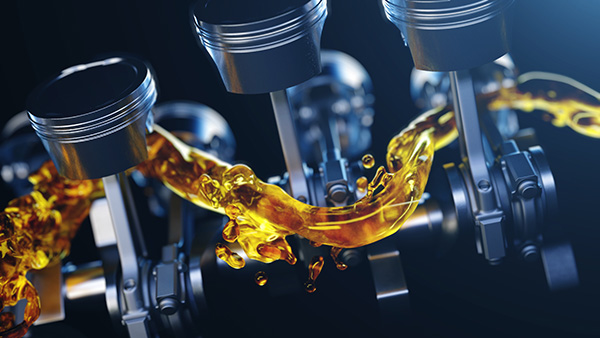
Modern engines ask more from oil than older engines did. They run hotter, use tighter internal clearances, rely on oil-controlled timing parts, and often include turbochargers or advanced fuel systems. That means oil is no longer just a basic fluid you change when the sticker says it is time.
Synthetic oil fits the way many newer engines are built. It flows better over a wider temperature range, resists breakdown longer, and helps protect parts that depend on clean, steady oil pressure. For many vehicles, it is not an upgrade. It is the oil the engine was designed to use.
Synthetic Oil Matches Newer Engine Design
Modern engines are built for better fuel economy, lower emissions, and greater power from smaller engines. To make that happen, manufacturers use tighter designs and more precise control systems. The space between internal parts can be very small, and oil has to move through narrow passages quickly.
Synthetic oil is more stable and consistent than conventional oil. It is engineered to perform under conditions where older oil types may break down faster. That matters when the engine is using oil to control timing, cool hot parts, reduce friction, and protect surfaces during every drive.
Tight Engine Clearances Need Faster Oil Flow
When an engine starts, oil has to reach critical parts quickly. The first few seconds after startup are hard on the engine because parts are moving before the oil has fully circulated. In colder weather, thicker oil can move more slowly, which delays protection.
Synthetic oil is designed to flow well at lower temperatures while still protecting at higher temperatures. That helps modern engines get oil where it needs to go faster during startup. It also helps maintain the right protection once the engine is hot and working under normal load.
Turbochargers Put Oil Under More Heat
Many modern vehicles use turbochargers to make smaller engines feel stronger. A turbocharger spins at a very high speed and operates in a hot part of the engine bay. It depends on clean oil for lubrication and cooling.
Oil that breaks down too quickly can leave deposits in and around the turbo. That can shorten turbo life, restrict oil flow, and create performance issues. Synthetic oil handles heat better, which makes it a better match for engines that place heavy demands on oil quality. If your vehicle has a turbo, using the correct oil is one of the simplest ways to protect one of the engine’s more expensive parts.
Synthetic Oil Helps Control Deposits
Engine oil collects carbon, fuel residue, moisture, and tiny particles as it works. Over time, old oil can leave sludge and varnish inside the engine. These deposits can affect oil passages, timing components, piston rings, and other areas that need clean movement.
Synthetic oil resists sludge formation better than conventional oil when it is changed on schedule. That does not mean you can ignore service intervals, but it does mean the oil is better suited for the conditions modern engines create. Regular maintenance is still the key, because even high-quality oil can become contaminated as miles and time add up.
Variable Valve Timing Depends On Clean Oil
Many newer engines use variable valve timing systems. These systems adjust engine timing to improve power, fuel economy, and emissions. The parts involved are often controlled by oil pressure, small valves, screens, and passages that do not tolerate dirty oil well.
When oil gets old or the wrong type is used, these systems can react slowly or stick. Drivers may notice rougher performance, a check engine light, reduced fuel economy, or a rattling noise during startup. Sometimes the problem starts with oil that is too dirty, too thick, or not built to the correct specification.
Longer Service Intervals Need Better Oil
Some modern vehicles allow longer oil change intervals than older cars. That does not mean the engine is less demanding. It means the oil, filter, and engine management systems are designed to work together under a specific maintenance plan.
Synthetic oil is better suited for those longer intervals because it resists oxidation and breakdown more effectively. Still, the right interval depends on how the vehicle is driven. Short trips, long idling, mountain driving, extreme temperatures, and heavy traffic can all make oil work harder. An inspection during service can help catch leaks, low oil levels, and signs that the engine is working oil harder than expected.
The Right Oil Specification Counts
Synthetic oil is not one-size-fits-all. Modern vehicles may require a specific viscosity, performance rating, or manufacturer approval. Using the wrong synthetic oil can still cause problems, even if the bottle looks high-quality.
The best oil choice comes from the vehicle’s service information, not from what worked in an older car or what happens to be on sale. Correct oil helps protect timing components, turbochargers, seals, fuel economy systems, and internal engine parts. The filter matters too, because it has to hold up for the service interval and maintain proper flow.
Get Synthetic Oil Change Service In Kelowna, BC, With A Plus Automotive
If your vehicle requires synthetic oil or you are not sure which oil specification is right for your engine, A Plus Automotive in Kelowna, BC, can help you choose the right oil, filter, and service approach.
For a synthetic oil change service that fits your modern engine’s needs, contact us to schedule an appointment.